How to Cycle an Aquaponics System Before Adding Fish
Completing your aquaponics system is a great feeling. The fish tank is full, the pump is moving water through the grow bed, and, if you're like me, you want to get some fish in there ASAP. There is one important step you have left to make it safe for the fish: cycle the system.
What does "Cycling the System" mean?
Cycling the system means establishing a healthy colony of naturally occurring nitrifying bacteria in the grow beds / biofilters. Basically, we’re creating a mini version of the nitrogen cycle we see at work in the environment around us. One group of these microbes turns ammonia from fish waste into nitrite, and another group turns nitrite into nitrate, making the water safer for fish and providing nitrogen for your plants.

Cycling gives the helpful nitrifying microbes in your system time to establish before the fish depend on them to convert their waste into nitrate, a fish safe form of nitrogen. It’s a much safer way to begin than discovering you have an ammonia or nitrite problem after the fish have moved in. You don’t want to find out the hard way when they start turning up their toes and floating to the surface.
Why Cycle Without Fish?
I’ve cycled systems with fish in them before, but I recommend fishless cycling if you’re starting out. You provide an ammonia source before the fish are added to the system allowing the nitrifying bacteria colonies to establish. During this cycling both ammonia and nitrite levels will rise as the nitrifying bacteria establish themselves. Both can be toxic to fish, which is why I recommend cycling before adding them.
The cycling process also allows the system to run for some time, ensuring the pump, plumbing and air supply are working as they should. Finding a leaky fitting is a lot less stressful at this time rather than when the tank is full of fish.
What Do I Need to Cycle My Aquaponics System?
To cycle without fish, you need to add an ammonia source for the nitrifying bacteria to feed on and a test kit to monitor the cycling process. The API Freshwater Master Test kit is a handy option as it contains ammonia, nitrite, nitrate & pH tests all in one box which makes it cheaper than buying individual test kits. A record book is also a handy as it will allow you to chart the nutrient levels and your progress.

Common choices used by backyard growers include:
-
Pure ammonia or ammonium chloride: These add ammonia directly and are easier to measure. If using household ammonia, it must be plain, with no fragrances, detergents or other additives as they can be toxic to the fish and beneficial microbes.
-
Fish feed: As it breaks down, it releases ammonia and it's other nutrients. It is slow to break down so ammonia can take longer to show up in your water tests.
-
Fish emulsion: This provides nitrogen as well as other nutrients.
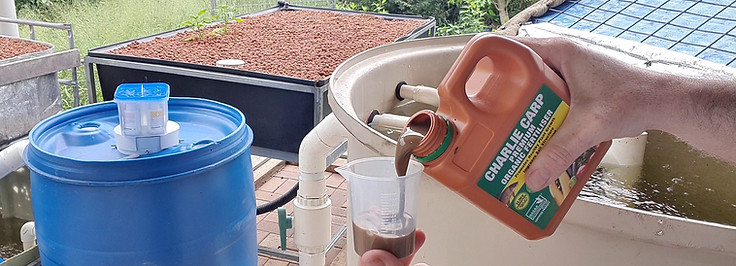
My choice is fish emulsion. Along with getting the cycling process started, it provides nutrients that can help support the first plants when they go into the grow bed. Some will also have kelp added which provide additional nutrients that can help support your first plants.
Whichever source you choose, use your water tests to follow what’s happening.
I cover the different fishless cycling methods listed above and others in more detail in my Backyard Aquaponics for Beginners guide.
Basic Steps for Fishless Cycling
-
Get the system running. Keep water circulating through the grow bed / biofilter. If you’ve filled it with town tap water, make sure it’s suitable for fish i.e. chlorine and chloramine have been removed.
-
Add your ammonia source. Start with a small amount and follow the method for the source you’ve chosen. Some sources take time to break down, so give them time to show up in your water tests before adding more.
-
Test the water regularly. Use a freshwater test kit to monitor the ammonia levels.
-
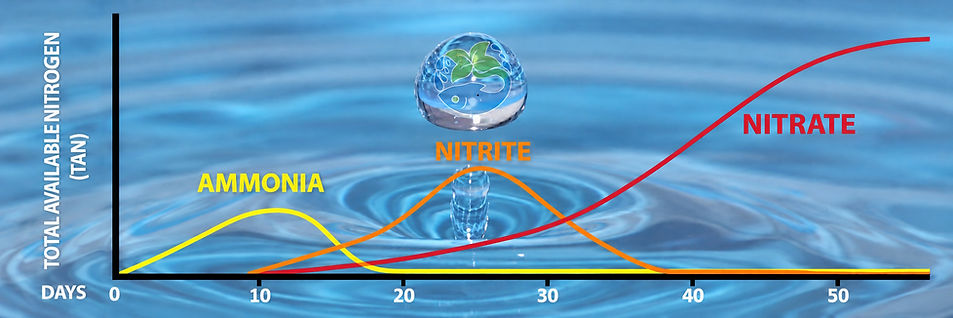
Watch the pattern. You’ll see ammonia rise first, then fall as the ammonia processing bacteria colony gets established and process it into nitrite. You will then see nitrite rise before the nitrite processing bacteria colony grows and starts to process it into nitrate.
-
Adjust what you add. If ammonia or nitrite keeps climbing or start to climb again once they start to fall, pause additions and let the system catch up.
I encourage everyone to add a few seedlings while the system cycles. Leafy greens and herbs are a good place to start. Don't go over the top and plant out the whole system through as there just won't be enough nutrients to feed a large number of plants.
You can help bolster the amount of available nutrients by adding a kelp based additive such as Rescue Remedy Seaweed Flakes.
How Do I Know When It's Ready for Fish?
Seeing nitrate appear in the tests is encouraging, but it’s only part of the process. Before adding fish, you want to see that the grow beds / biofilters in the system can process all the ammonia source you’re adding. You should only see trace amounts of total ammonia, 0.5 ppm or less, and no nitrite showing up in the tests for four consecutive days before adding the fish.

There’s no exact finish date. In my area (subtropics of Queensland Australia), cycling has often taken around four to six weeks in warmer weather, with longer waits when cycling during the winter months. Your results may differ due to climate, so let the test kit guide you rather than the calendar.
Once the bacterial colonies in the grow beds / biofilters are processing the ammonia source you’re adding, your system is cycled. You can now stop adding ammonia and your fish can be added, but don’t stop testing. Keep checking ammonia and nitrite as you begin feeding the fish over the next few weeks. You will see the amount of nitrate increase as the fish grow and consume more feed so it's a good idea to make sure that the microbial colony is keeping pace with the increased nutrient load.

As I mentioned above, I encourage everyone to add a few seedlings while the system cycles. Leafy greens and herbs are a good place to start. Once the system has cycled you can keep testing the nitrate levels to use as a rough guide to when you can plant out more veggies and herbs. You can find more ideas in my article on the best plants to grow in aquaponics.
WATCH: How to Cycle An Aquaponics System
This video walks through the fishless cycling method I used for one of our backyard aquaponics systems.
Want to Learn More About Backyard Aquaponics?
If you're new to aquaponics and would like to learn more than I've covered in this article, I've put together an Online Aquaponics Beginner's Guide to help you understand how the whole system works.
The guide takes you through the important parts of backyard aquaponics, including how aquaponics nutrient cycle works, system design, fish stocking, cycling, water quality, filtration, plant selection and keeping everything running once your system is established.
It's based on the same practical backyard aquaponics methods I've used and shared through my videos over the years, but organised into one place so you can work through it at your own pace.